Close Menu
 World
 Biography
 Health
 Education
 Business
 Lifestyle
 Sports
 Technology
 Animals
 History
 Food
 Religious
 Startups
 Movies
 Politics
 Fashion
 Covid
 Diet
 Fitness
 Marketing
 Travel
 Science
 Reviews
 Social media
 Stories
 Facts
 Art
 Entertainment
Rimsha Ceo

Health
Teeth Whitening & Bleaching: How to Brighten Your Smile
 Rimsha Ceo
A bright smile can make a positive impression and help people feel more confident in everyday interactions. However, teeth naturally change colour over time. Coffee, tea, red wine, tobacco, certain foods, and ageing can gradually contribute to surface stains or deeper discolouration. Even with consistent brushing and flossing, some stains may remain difficult to remove through regular oral hygiene alone.
For people researching Teeth Whitening & Bleaching Near me in North York, understanding the available treatments, their benefits, and potential limitations can make choosing the right approach easier. Professional teeth whitening offers a way to improve tooth colour while keeping oral health and individual dental needs in consideration.
What Is Professional Teeth Whitening?
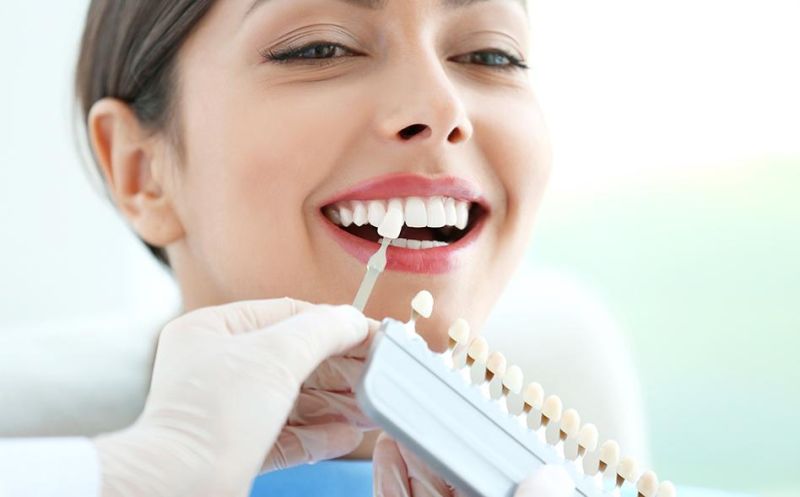
Teeth whitening is a cosmetic dental procedure designed to reduce stains and make natural teeth appear brighter. Professional whitening treatments commonly use peroxide-based ingredients, such as hydrogen peroxide or carbamide peroxide, to break down the compounds responsible for discolouration.
Unlike ordinary toothpaste, which mainly removes surface debris and certain external stains, whitening agents can penetrate the tooth enamel and address deeper discolouration.
The treatment approach depends on the patient's current tooth shade, the cause of staining, and the results they hope to achieve.
Professional assessment is important because not every type of tooth discolouration responds equally well to whitening products.
Common Causes of Tooth Discolouration
Understanding why teeth become stained can help patients choose suitable whitening treatments and make better lifestyle decisions.
1. Food and Beverages
Coffee, tea, red wine, berries, and strongly coloured sauces contain pigments that can gradually stain tooth surfaces. Frequent consumption may make discolouration more noticeable over time.
2. Tobacco Use
Smoking and other tobacco products can contribute to persistent yellow or brown stains. These stains may be particularly difficult to manage with ordinary brushing.
3. Natural Ageing
As people age, the outer enamel gradually becomes thinner, allowing the naturally yellowish dentin underneath to become more visible. This can make teeth appear darker even when oral hygiene is consistent.
4. Certain Medications
Some medications can contribute to tooth discolouration, particularly when exposure occurs during tooth development. Certain dental conditions and previous injuries may also change the colour of individual teeth.
Identifying the underlying cause helps determine whether whitening is appropriate or whether another cosmetic dental treatment may be more effective.
Professional Teeth Whitening vs. At-Home Products
When exploring Teeth Whitening & Bleaching Near me in North York, patients often compare professional dental treatments with whitening strips, gels, toothpaste, and other over-the-counter products.
Both approaches have advantages, but they are not identical.
Professional Whitening Treatments
Professional whitening begins with an assessment of the teeth and gums. A dental professional evaluates existing restorations, sensitivity concerns, and the type of staining before recommending an appropriate treatment.
Depending on the method, whitening may be completed during an appointment or through customized take-home trays.
Professional supervision helps ensure that the selected treatment is suitable for the patient's oral health.
At-Home Whitening Products
Over-the-counter whitening products offer convenience and may help reduce certain surface stains. However, their effectiveness depends on the formulation, concentration, and instructions for use.
Improper application or excessive use can contribute to tooth sensitivity and gum irritation.
Patients with existing dental problems should seek professional advice before beginning a whitening routine.
Benefits of Professional Teeth Whitening
Professional cosmetic whitening offers several potential advantages for people looking to improve the appearance of their natural teeth.
Improved Smile Appearance: Reducing visible stains can create a brighter and more refreshed appearance.
Personalized Treatment: Whitening recommendations can be based on individual tooth colour, dental condition, and cosmetic goals.
Professional Guidance: A dental assessment helps identify problems that should be addressed before whitening begins.
Controlled Application: Professional treatment allows the dental team to follow appropriate application procedures and monitor potential sensitivity.
Greater Confidence: Some patients feel more comfortable smiling and participating in social or professional activities after improving tooth colour.
It is important to remember that whitening changes the colour of natural teeth but does not improve their structural condition or replace necessary dental treatment.
Is Teeth Whitening Safe for Everyone?
Professional teeth whitening is generally considered safe when appropriate products are used according to dental guidance. However, it may not be suitable for everyone.
Patients with untreated cavities, gum disease, cracked teeth, or significant enamel problems may need dental treatment before considering cosmetic whitening.
Tooth sensitivity and temporary gum irritation are among the possible side effects. These effects are usually manageable, but patients should discuss any existing sensitivity with their dentist.
Another important consideration is that whitening products do not change the colour of crowns, veneers, fillings, or other dental restorations. This means existing restorations may become more noticeable if natural teeth are whitened.
A dental professional can explain these limitations and help patients develop realistic expectations.
How to Maintain Your Whitening Results
Whitening results can gradually fade, especially when staining habits continue. Maintaining good oral hygiene and making a few lifestyle adjustments can help preserve a brighter appearance.
Consider the following habits:
- Brush twice daily with fluoride toothpaste.
- Floss regularly to remove plaque and food particles between teeth.
- Reduce frequent consumption of heavily pigmented drinks and foods.
- Rinse your mouth with water after consuming staining beverages.
- Avoid tobacco products.
- Schedule regular dental examinations and professional cleanings.
- Follow your dentist's advice before using additional whitening products.
Consistency is more useful than repeatedly applying strong whitening treatments. Overusing whitening products may increase sensitivity without providing better results.
Choosing the Right Teeth Whitening Treatment
Selecting a suitable whitening method involves more than choosing the strongest available product. Patients should consider their dental health, existing restorations, sensitivity levels, and desired results.
Dentistry on Duncan Mill provides information about professional teeth whitening as part of its dental services. Those interested in understanding available approaches can explore its professional teeth whitening treatment information to learn more about improving tooth appearance through cosmetic dental care.
A consultation can help determine whether professional whitening, customized take-home treatment, or another cosmetic option is appropriate.
Conclusion
A brighter smile begins with understanding the causes of tooth discolouration and choosing a treatment that supports both appearance and oral health. Professional whitening can help reduce unwanted stains, improve natural tooth colour, and provide personalized guidance throughout the process.
For individuals considering Teeth Whitening & Bleaching Near me in North York, a professional dental assessment is a sensible first step. With suitable treatment and consistent oral hygiene, maintaining a brighter, healthier-looking smile can become part of a long-term dental care routine.
Source:
Click for the: Full Story
You might like